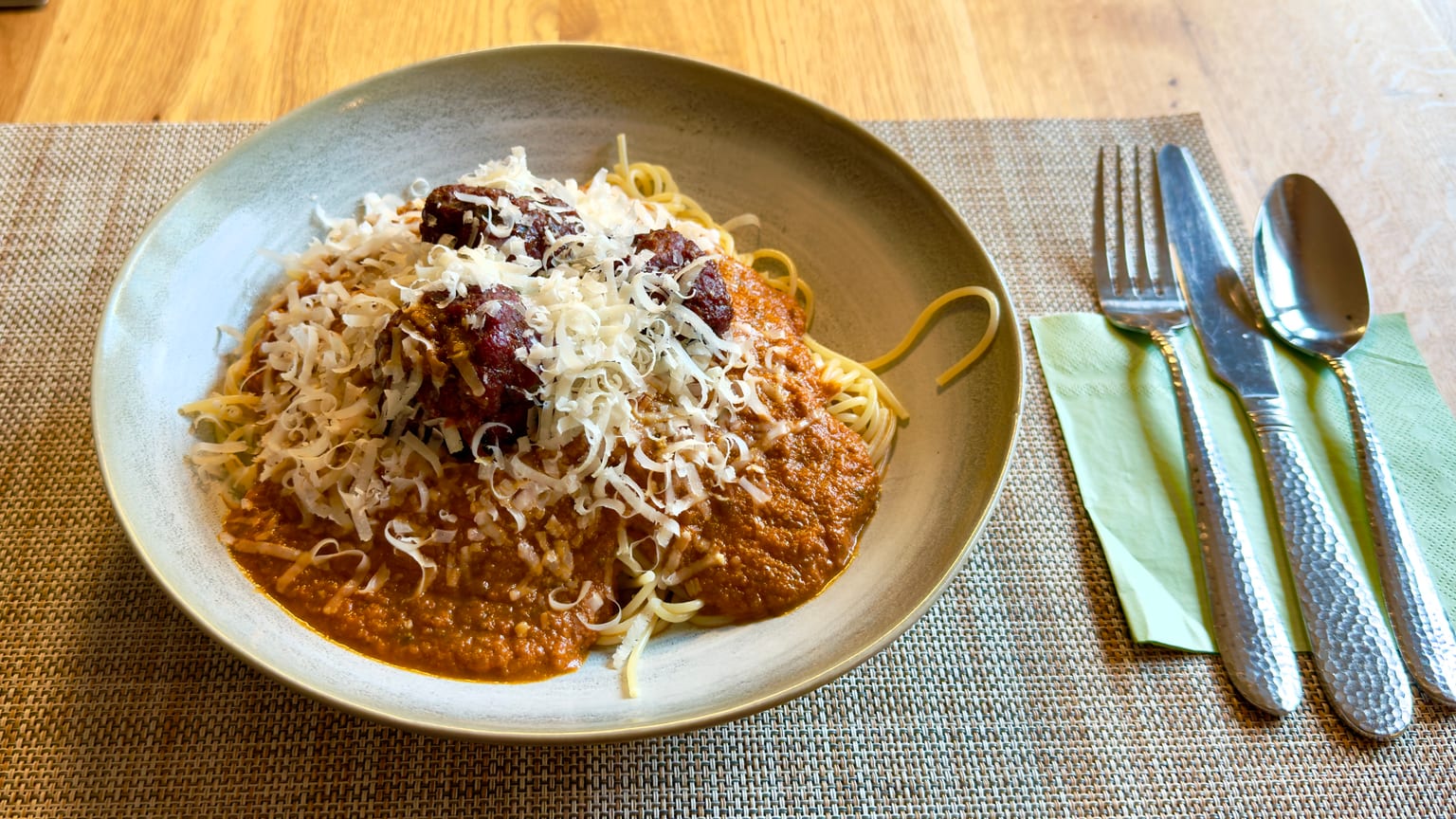
Christoph's Smoked Meatballs
A smoker-built meatball with no breadcrumb panade at all, just potato starch and egg binding the meat directly, since a delicate, milk-soaked breadcrumb mixture is fragile to handle on a smoker grate through a long, low cook and the starch gives a firmer, more structurally sound ball that holds together through the whole two-stage cook. Smoking low first and only cranking the heat at the very end is what builds real smoke flavour through the meat before the surface ever gets the chance to set and stop absorbing it.
Christoph's smoked meatballs, straight off his Gravity XT smoker, potato starch and egg binding the meat directly with no breadcrumb panade.
Ingredients
Written for a 30 × 40 cm baking sheet
Units
Temperature
Servings
Meatballs
- 1 1/2 kg ground beef, pork, or a mix of both, 80/20 lean-to-fat, see notes for buying guidance rounded
- 2 eggs rounded
- 40 g potato starch rounded
- 15 g fresh rosemary, finely chopped rounded
- 8 g fresh thyme, leaves only, chopped rounded
- 12 g smoked paprika rounded
- 10 g garlic powder rounded
- 15 g brown sugar rounded
- 14 g fine salt rounded
- 4 g black pepper rounded
- 100 g mozzarella, cut into 1 cm cubes, optional, for stuffed meatballs, see notes (optional) rounded
Method
- Preheat your smoker to 99°C (210°F), set up for indirect heat with your wood of choice.
- In a large bowl, combine the meat, eggs, potato starch, rosemary, thyme, smoked paprika, garlic powder, brown sugar, salt and pepper. Mix with your hands just until evenly combined; overworking it makes the meatballs dense and tough.
- Shape into 4 cm balls, about 60 g each. If stuffing with cheese, flatten a portion of meat in your palm, press a cube of mozzarella into the centre, and wrap the meat fully around it, sealing the seam.
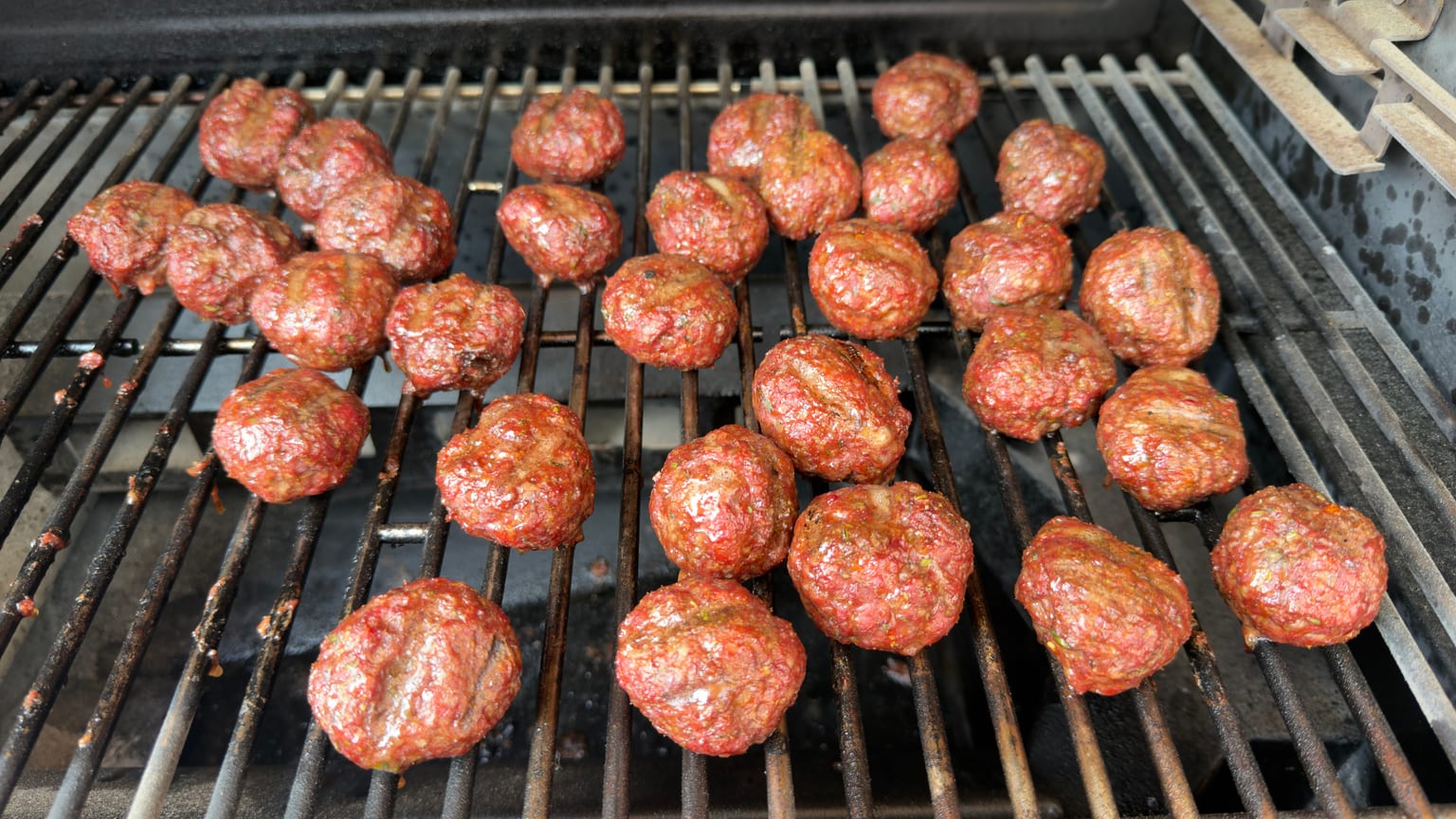
- Arrange the meatballs on a wire rack or directly on the smoker grate, leaving space between each for smoke to circulate.
- Smoke at 99°C for 45 to 50 minutes, until the surface has taken on good colour and a light bark.
- Raise the smoker temperature to 163°C (325°F). Continue cooking for 10 to 15 minutes, until the internal temperature reaches 71°C.
- Rest for 10 minutes before serving.
Notes
- This recipe works with beef, pork, or a mix of the two, pick based on what you want from the meatball, not a fixed rule. All-beef, from chuck or a similar 80/20 blend, gives the deepest, most straightforwardly beefy flavour and holds its shape well on the smoker. All-pork, from shoulder, is sweeter and more forgiving of the long cook since pork shoulder carries more intramuscular fat. A 50/50 mix is the classic choice for a reason: the beef gives structure and depth, the pork adds moisture and a rounder flavour, and it’s hard to go wrong with it.
- No breadcrumbs here, on purpose. A classic milk-soaked breadcrumb panade makes for a lighter meatball, but it’s also more fragile, and fragile doesn’t survive a long smoke on a grate well. Potato starch and egg alone give a firmer, denser structure that holds together through both stages of the cook.
- The cheese cube is optional and worth trying once you’ve made the plain version. A 1 cm cube of mozzarella pressed into the centre before sealing gives a molten, pulling centre when the meatball is cut into; a firmer melting cheese like a young Gouda holds its shape a little better through the smoke if you want less oozing and more of a distinct pocket.
- Don’t skip the two-stage temperature. Smoking the whole way through at a high temperature never gives the meat the chance to take on real smoke flavour before the surface sets; finishing low the whole way through never builds the browned, slightly bark-like exterior that makes a smoked meatball taste different from an oven-baked one.
Ingredient substitutions
- Any wood you’d use for beef or pork works here, hickory and oak are reliable; fruit woods like apple or cherry give a milder, sweeter smoke that pairs well with the brown sugar in the mix.
- A splash of Worcestershire sauce, mixed in with the meat, deepens the savoury base.
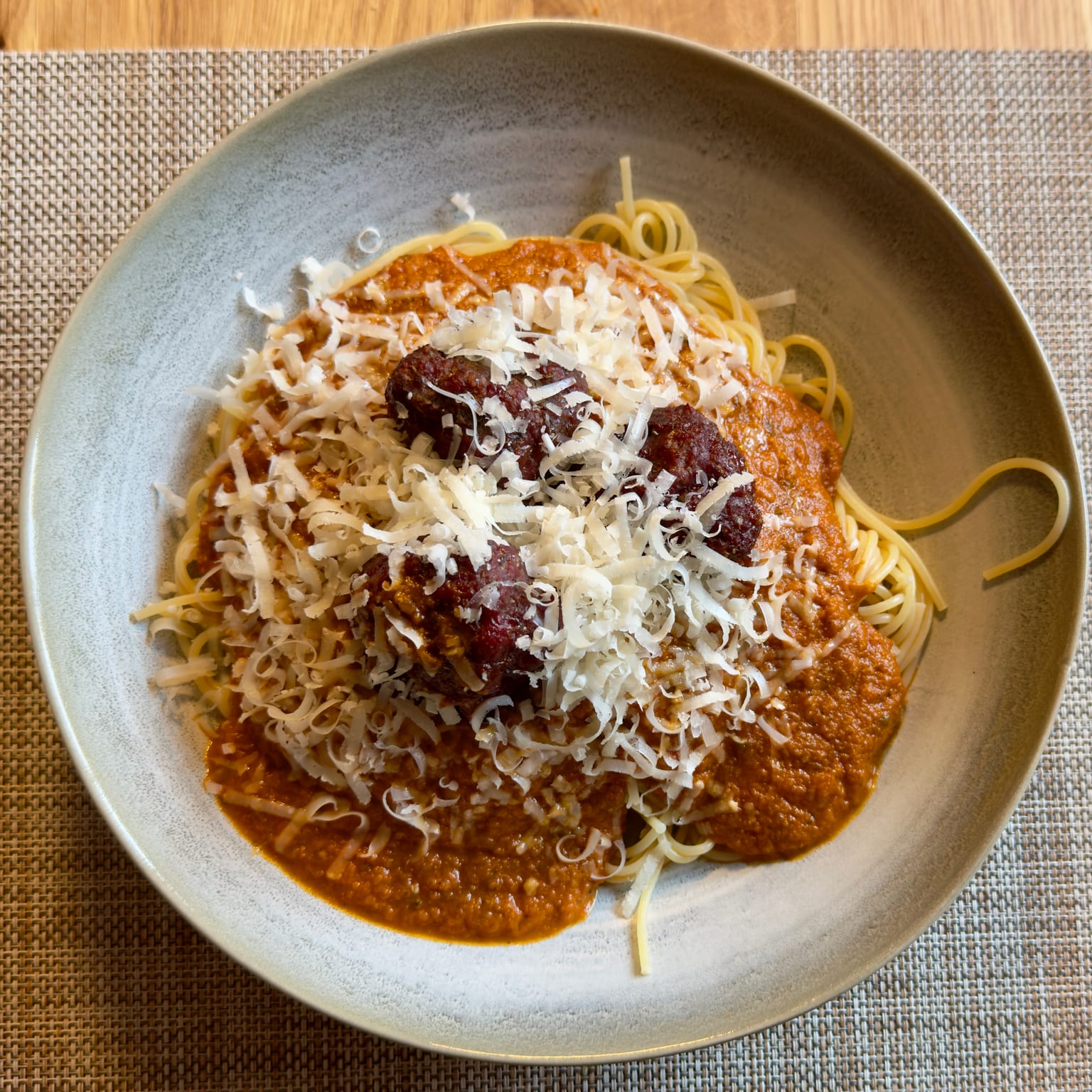
- Serve over pasta, on a sub roll, or on their own with a dipping sauce, this recipe is built to be a base you build a meal around, not a single fixed dish.
From Christoph Mayer